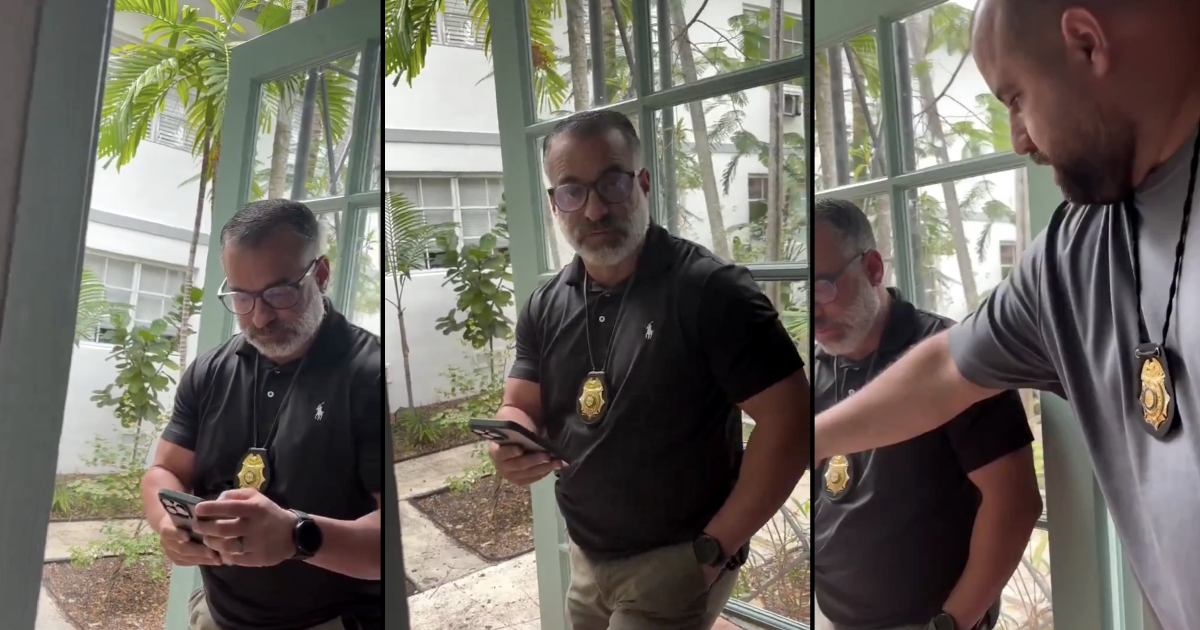
Public Figures Face Repercussions for Intolerable Remarks
In an increasingly interconnected and scrutinised world, the words spoken by public figures carry unprecedented weight. What might once have been dismissed as a gaffe or quickly forgotten now has the potential to ignite widespread outrage, spark intense debate, and irrevocably damage careers. The concept of propos intolérables – a French term referring to statements or remarks deemed unacceptable, inflammatory, or deeply offensive – has become a critical lens through which public discourse is evaluated, particularly when uttered by those in positions of influence.
From politicians and media personalities to celebrities and corporate leaders, the spotlight on their utterances has never been brighter. Social media platforms amplify every comment, while a global audience stands ready to scrutinise, critique, and demand accountability. This article delves into why public figures are facing heightened repercussions for propos intolérables, exploring the mechanisms of accountability, the types of statements that cross the line, and the lasting impact on both individuals and society.
The Shifting Sands of Public Discourse: Why "Propos Intolérables" Now Carry Greater Weight
The landscape of public communication has undergone a radical transformation over the past two decades. The rise of the internet, the ubiquity of social media, and the 24/7 news cycle have fundamentally altered how information is disseminated and consumed. This digital revolution has also intensified public scrutiny, creating an environment where every spoken word, especially from a public figure, is subject to immediate and widespread analysis. No longer are controversial remarks confined to a limited audience; they can go viral in minutes, reaching millions globally and eliciting swift, often passionate, reactions.
This amplified visibility has coincided with a global movement towards greater social awareness and a diminished tolerance for hate speech, discriminatory language, misinformation, and divisive rhetoric. Societies are increasingly demanding that those who hold influence uphold a higher standard of conduct and communication. What was once perhaps brushed aside or only quietly condemned might now trigger a full-blown public outcry, demanding immediate apologies, retractions, and often, professional consequences. The public, empowered by digital platforms, acts as a collective watchdog, holding figures accountable for remarks that are deemed incompatible with modern values of inclusivity, respect, and accuracy. This erosion of tolerance for harmful speech means that comments perceived as propos intolérables are no longer just bad PR; they are seen as an affront to collective societal standards.
Case Studies: When Words Lead to Professional Fallout
The consequences for making propos intolérables are increasingly severe, often leading to immediate professional fallout for public figures. Recent examples from France and beyond illustrate this stark reality, showing how even established careers can crumble under the weight of unacceptable statements.
Consider the case of a prominent CNews and Europe 1 columnist who faced immediate repercussions after making what were described as "intolerable remarks" concerning foreign prisoners. Such statements, often touching upon sensitive issues like immigration, nationality, or ethnicity, can quickly be perceived as xenophobic or discriminatory. For a media personality whose platform relies on public trust and broad appeal, uttering such remarks can lead to swift removal from their programs. Media organisations are increasingly sensitive to public backlash and the potential damage to their brand reputation, choosing to distance themselves from individuals whose comments contravene ethical guidelines or incite hatred. The message is clear: the airwaves are not a free-for-all for inflammatory speech.
Similarly, politicians are far from immune. A deputy from the Rassemblement National (RN) recently found himself embroiled in controversy after making "intolerable remarks," reportedly comparing an individual to an animal. Such dehumanising comparisons, particularly when directed at minorities or political opponents, are widely condemned as hate speech and deemed unacceptable in civilised political discourse. While politicians might have more leeway due to the nature of political debate, remarks that cross into the territory of racism, sexism, homophobia, or incitement to violence are met with fierce condemnation from political rivals, civil society groups, and the public. These instances can lead to official censure, party sanctions, a decline in public approval, and potentially, a significant blow to their electoral prospects. The immediate political impact demonstrates a growing intolerance for such divisive language within democratic institutions.
These examples highlight a critical trend: employers, institutions, and political parties are no longer willing to silently endorse or overlook remarks that are widely considered propos intolérables. The public's demand for accountability, amplified by social media, forces these bodies to act decisively, underscoring the severe professional consequences awaiting those who fail to exercise caution and respect in their public statements. To delve deeper into the systemic effects of such statements, read our related article: Understanding the Impact of Intolerable Political Statements.
Navigating the Minefield: Responsibilities of Public Figures
Given the heightened scrutiny and severe repercussions, public figures face an immense responsibility to manage their communication with extreme care. Their amplified voices mean that their words can either foster understanding and unity or sow discord and division. Navigating this minefield requires more than just avoiding direct insults; it demands a deep understanding of ethical communication and its societal impact.
Firstly, the imperative to think before speaking or posting cannot be overstated. In the age of instant communication, a fleeting thought shared on social media can become an indelible public record. Public figures must pause to consider the potential interpretations and broader implications of their words, especially concerning sensitive topics such as race, religion, gender, or political ideologies. What might be intended as a casual comment could be misconstrued or, worse, reveal deeply problematic biases.
Secondly, a crucial aspect is to understand cultural nuances and historical contexts. A statement that might seem innocuous in one cultural setting could be deeply offensive in another. Public figures operating on a global stage must educate themselves on diverse perspectives and historical sensitivities to avoid inadvertently causing harm. This requires empathy and a willingness to learn from different viewpoints.
Thirdly, when a mistake is made, a genuine and timely apology is paramount. A sincere apology, taking full responsibility for the harm caused, can sometimes mitigate the damage. However, an apology perceived as insincere, conditional, or deflective often exacerbates the situation, fueling further outrage. The key is to acknowledge the offense without making excuses.
Finally, investing in media training and crisis communication strategies is no longer optional. Public figures should be equipped with the tools to communicate effectively under pressure, to understand the legal and ethical boundaries of free speech versus hate speech, and to manage potential crises proactively. They must recognise that while freedom of expression is a fundamental right, it does not grant immunity from the consequences of harmful speech. The line where free speech ends and propos intolérables begins is often drawn at the point where speech incites hatred, discrimination, or violence.
The Ethical Imperative: Beyond Just Avoiding Repercussions
Beyond merely sidestepping professional downfall, there's a profound ethical imperative for public figures to engage in responsible discourse. Their platform isn't just a stage for personal opinions; it's a powerful tool that shapes public opinion, influences policy, and impacts societal norms. Remarks that are discriminatory, inflammatory, or factually incorrect don't just harm reputations; they can inflict real damage on individuals and communities, perpetuate stereotypes, and erode social cohesion. Public figures have a moral obligation to use their voice to uplift, inform, and foster understanding, not to divide or demean. They are de facto role models, and their adherence to respectful and inclusive language sets an important standard for broader public dialogue.
The Role of Public & Media in Holding Accountable
The increased accountability of public figures is not solely a self-imposed measure; it is largely driven by the collective vigilance of the public and the media. Social media platforms empower citizens to directly challenge and condemn propos intolérables, organising campaigns, sharing offending remarks widely, and demanding action from employers, political parties, or sponsors. This bottom-up pressure can be incredibly potent. Simultaneously, traditional media outlets play a crucial role as watchdogs, reporting on controversial statements, analysing their impact, and interviewing experts to provide context and critique. This synergistic relationship between public outrage and media scrutiny creates a powerful deterrent against unacceptable speech and reinforces the expectation that public figures must adhere to higher standards of communication. To understand how such remarks can escalate into broader societal issues, read our article: When Intolerable Remarks Spark Public and Political Outrage.
Conclusion
The era of public figures making propos intolérables with impunity is rapidly drawing to a close. As societies evolve and communication channels become ever more pervasive, the expectation for respectful, inclusive, and responsible discourse intensifies. From media personalities losing their platforms to politicians facing public censure, the professional and reputational consequences for uttering unacceptable remarks are significant and immediate. This heightened accountability is a testament to the power of public opinion, the ethical responsibilities inherent in positions of influence, and a collective societal demand for a more civil and tolerant public sphere. For those in the public eye, every word counts, making thoughtful and empathetic communication not just a virtue, but a career necessity.